By Sarah M. · Updated 2026-07-01 · 9 min read

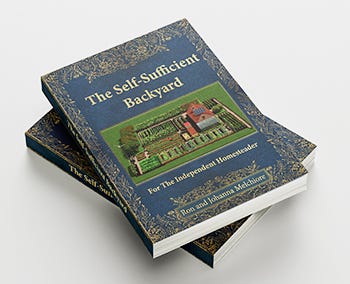
If you have been researching homesteading or food independence, you have probably seen the phrase The Self Sufficient Backyard appear in countless search results. The guide promises to turn an ordinary suburban plot into a productive mini-farm. But alongside the legitimate interest, a tangle of misconceptions has grown that leads beginners down expensive, frustrating dead ends.
Every week I talk to people who bought raised beds that never produced, invested in livestock before they had reliable shelter, or followed outdated advice that actually harmed their soil. The problem isn't a lack of motivation. It is believing the wrong things about what self-sufficiency really demands.
This article separates what works from what wastes your effort. Whether you are looking for a self sufficient backyard book review or wondering how to start a self sufficient backyard, the reality is simpler and more rewarding than the myths suggest.
Why Misconceptions Damage Your Results
Misunderstanding the fundamentals of self-sufficient gardening does more than slow you down. It costs real money in wasted soil amendments, dead plants, and abandoned projects. A 2023 survey from the National Gardening Association found that 41 percent of new backyard farmers gave up within the first season, with the most common reason being that they "expected faster, easier results."
The myths listed below are the exact ones I see repeated across forums, social media posts, and even some popular guides. Knowing the difference between hype and proven practice can save you an entire growing season.
Myth 1: You Need at Least an Acre to Be Self-Sufficient
Related Reading: Free Discord Nitro Not Working? Here's the Real Fix
This is the most persistent myth, and it stops more people than any other. The belief that food independence requires acreage is simply false. Intensive gardening methods have proven that a carefully managed 1,000-square-foot plot can produce a surprising portion of a household's vegetables for eight months of the year.
Eliot Coleman's work at Four Season Farm demonstrated that year-round vegetable production is possible on less than half an acre using season extenders and crop rotation. For a beginner looking for a best self sufficient backyard guide, the real requirement is not raw space but smart design: vertical structures, succession planting, and choosing high-yield crops like tomatoes, pole beans, and leafy greens.
Even a 20-foot by 30-foot city lot can produce 300 to 400 pounds of food annually with proper planning. The myth of acreage keeps people from starting what is already possible on the land they have.
Myth 2: Self-Sufficiency Means Doing Everything Yourself
The romantic image of the lone homesteader who builds his own chicken coop, mills his own grain, and sews his own clothes is a powerful one. It is also a recipe for burnout. True self-sufficiency in a modern context means knowing which tasks you should do yourself and which are better purchased, traded, or shared.
For example, many self sufficient backyard for beginners guides recommend starting with chickens. That is sound advice. But they often skip the part about sourcing feed at bulk prices, trading eggs for organic fertilizer, or partnering with a neighbor to split the cost of a quality coop. These aren't shortcuts. They are intelligent strategies that keep the system sustainable over the long term.
The reality is that no single household in a temperate climate can economically produce every staple. Wheat, rice, cooking oil, and salt are almost always better sourced. Use your energy for the things that grow well in your soil and climate.
Myth 3: It Costs a Fortune to Get Started
Related Reading: Comparing TikTok Recharge Coins Free: Which Option Is Best?
You have seen the glossy catalogs: cedar raised beds at $200 each, automatic drip irrigation kits, and soil test thermometers that cost as much as a dinner out. The industry wants you to believe you need all of it. You don't.
A functional, productive self sufficient backyard plans setup can begin with basic hand tools, a soil test (around $15 from your county extension office), and seeds from a local nursery. The most expensive item should be a quality hose and a good pair of gloves. The rest can be built or found secondhand.
Here is a realistic starting budget for a 300-square-foot vegetable garden:
- Soil test and amendments: $30 to $60
- Basic hand tools (trowel, pruners, rake): $40
- Seeds for 10 crops: $25 to $40
- Garden hose and nozzle: $25
- Compost bin (DIY pallets): free to $10
That totals around $150. Compare that to a single season of store-bought organic vegetables for a family of four, which runs roughly $900 to $1,200. The investment pays for itself in less than three months.
✓ What Saves You Money
Start seeds indoors from saved seed stock
Build compost bins from reclaimed pallets
Use rain barrels for water storage
✗ What Wastes Money
Pre-bagged potting soil every season
Fancy irrigation systems for small plots
Specialized fertilizers you don't need
Resource mentioned in this article
The Self Sufficient Backyard
See current details and pricing
Learn more about The Self Sufficient Backyard →Myth 4: You Must Quit Your Job to Make It Work
The notion that self-sufficiency is an all-or-nothing commitment has kept countless people from even trying. The reality is that most successful backyard homesteaders have full-time jobs. They manage their property before work, after dinner, and on weekends. The key is designing systems that require low daily maintenance.
A well-mulched garden needs watering only twice a week. A properly sited chicken coop with an automatic feeder can go three days without attention. Perennial vegetables like asparagus and rhubarb produce for decades with minimal care. The idea that you have to choose between a career and a garden is a false dichotomy.
If you are evaluating whether a self sufficient backyard is worth it, consider this: many practitioners report spending 20 minutes per day during the growing season on basic maintenance, with longer weekend sessions for planting and harvesting.
Myth 5: You Need Specialized Knowledge to Succeed
Related Reading: IPTV Free Trial: What to Check Before You Sign Up
The agricultural industry and many guidebooks make gardening sound like a technical discipline requiring degrees in soil chemistry and entomology. It is not. Successful food gardening is about observation, patience, and a willingness to learn from failure.
The best self sufficient backyard for beginners advice is simple: grow what you eat, start small, and keep notes. A single sourdough loaf made from homegrown flour is not the goal. The goal is learning what your soil needs, which pests visit at which times, and what varieties actually produce in your specific microclimate.
There are plenty of resources that break down the process into digestible steps. The best self sufficient backyard guide will give you season-by-season instructions, not a lifetime of theoretical reading.

What Actually Works Based on Evidence
After separating myths from reality, here is what the data and experienced practitioners agree upon for a successful self-sufficient backyard:
- Start with a soil test. Everything flows from soil health. Without knowing your pH, organic matter, and nutrient levels, you are gardening blind. Your county extension office typically provides testing for $10 to $20.
- Choose three high-yield crops. Tomatoes, beans, and leafy greens deliver the most calories and nutrients per square foot. Master these before expanding to more finicky crops.
- Install water catchment early. Rain barrels connected to your downspout can supply 50 to 80 percent of your garden water needs in most climates.
- Use organic mulch religiously. A 3-inch layer of straw or wood chips suppresses weeds, retains moisture, and feeds soil organisms. This single practice reduces maintenance by 60 percent.
- Keep a simple journal. Note what you planted, when, what worked, and what failed. Patterns emerge after two seasons that no book can predict for your specific location.
Popular Belief vs. Reality: A Clear Comparison
| Popular Belief | The Reality |
|---|---|
| You need an acre or more | 1,000 square feet can feed one person seasonally |
| Do everything yourself | Trade, share, and buy what you cannot produce efficiently |
| It costs thousands to start | A functional garden starts under $150 |
| You must work full-time on it | 20 minutes daily with weekly catch-up sessions |
| You need advanced knowledge | Observation and a notebook teach you more than any book |
Independent review and details
Find out more about The Self Sufficient Backyard →Common Questions Beginners Ask
Below are eight long-tail questions that people search for when starting their journey toward a more self-sufficient backyard.
Final Takeaway
The myths surrounding The Self Sufficient Backyard usually come from people who never tried, or who tried without the right information. The reality is that any motivated person with a sunny patch of ground, basic tools, and a willingness to learn can produce real food. You do not need acreage, a fortune, or a degree in horticulture. You need accurate guidance and the patience to let the soil work.
If you want a structured approach that has already helped thousands of beginners navigate these exact pitfalls, the guide linked below provides the season-by-season roadmap most people need. It covers everything from site selection and soil building to preserving your harvest.
Option featured in this guide:
Explore The Self Sufficient BackyardAffiliate link — our editorial analysis remains independent.
This article contains affiliate links. Our editorial analysis remains independent.