By Analyst Team · Updated 2026-07-12 · 11 min read
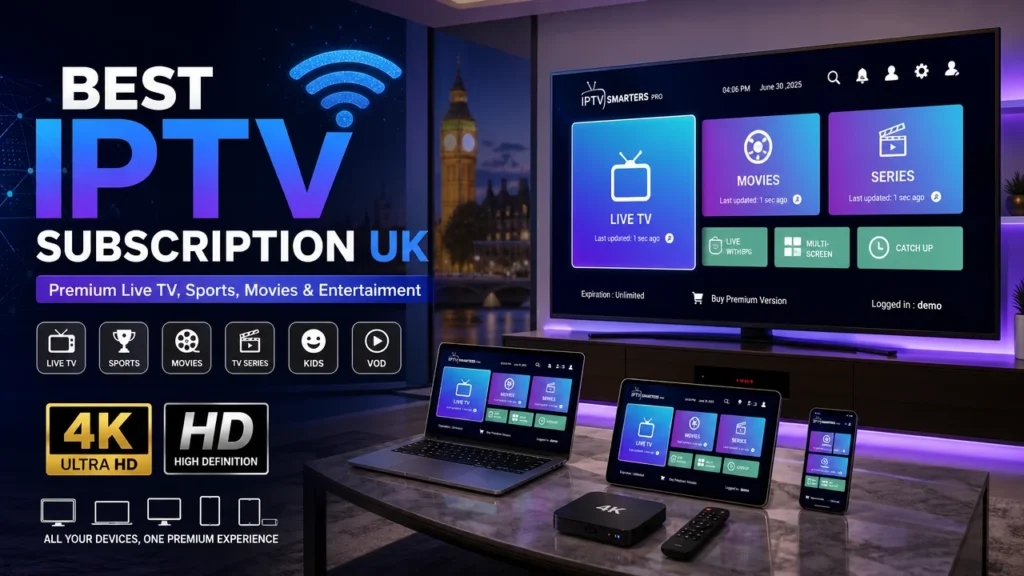
You have probably heard the buzz about IPTV and wondered what is IPTV TV exactly. In short, IPTV stands for Internet Protocol Television — it delivers television content over your internet connection rather than through traditional cable or satellite signals. This guide will walk you through everything you need to know before you buy a subscription, so you avoid common pitfalls and make a smart choice.
1. Why Many People Regret Their Choice
Jumping into IPTV without research is a recipe for frustration. Thousands of users purchase cheap subscriptions only to discover buffering during live sports, channels that disappear after a week, or services that shut down entirely. One Reddit user in the iptv review reddit threads described paying $80 for a year-long plan that stopped working after two months. The provider vanished with no refund.
Another common regret comes from compatibility issues. People buy subscriptions without checking if the service works on their device. A Firestick user might purchase a service that only offers a Smart TV app, leaving them unable to stream. Or worse, they unknowingly sign up with an unverified provider that exposes their personal data.
Poor customer support is another major pain point. When your stream freezes during the Champions League final, the last thing you want is an email-only support team that replies in 48 hours. Many budget IPTV services operate with skeleton crews, leaving you helpless when problems arise.
The bottom line? IPTV can be fantastic — but only if you choose wisely. This guide exists to help you skip these regrets entirely.
2. Criteria That Should Drive Your Decision
Before you search for where to buy iptv subscription, understand what separates a great service from a scam. Your decision should rest on six key pillars.
Channel Lineup and Content Quality
Not all IPTV services offer the same channels. You need to verify that the provider delivers the specific iptv channels list usa you care about — whether that's live news, sports packages, or international content. Look for providers that offer HD and 4K streams rather than blurry SD feeds. Request a free trial or a 24-hour demo to test the stream quality before committing.
Device Compatibility
The best iptv service for firestick might not work well on a Samsung Smart TV. Check that the service supports your device family. Most reliable providers offer apps for Fire TV, Android TV, iOS, and Smart TVs. Some even support MAG boxes and Enigma2 receivers. Before you buy, confirm that the provider offers a dedicated app or compatible playlist format for your hardware.
Server Stability and Uptime
A premium IPTV service invests in dedicated servers with redundant connections. Budget providers often use shared hosting, which leads to buffering during peak hours. Look for services that advertise 99.9% uptime and have real user reviews confirming their reliability. Ask yourself: can this service handle the Super Bowl crowd without crashing?
Pricing and Payment Options
Pricing varies wildly. Some services charge $10 per month while others ask $200 per year. The sweet spot sits around $12–$20 per month for a quality service with 10,000+ channels. Avoid providers that only accept cryptocurrency or wire transfers — these often signal unregulated operations. Reputable services accept PayPal, credit cards, or reliable payment gateways.
Customer Support and Community
Read iptv review reddit threads to gauge real customer experiences. Good providers have active communities on Telegram, Discord, or Reddit where users share tips and report issues. Look for services with live chat support, not just email tickets. A provider that responds within 15 minutes during peak hours is worth the premium.
Trial Period and Money-Back Guarantee
Never buy an annual plan before testing. Reputable providers offer a 24-hour free trial or a 7-day money-back guarantee. If a service refuses any trial, walk away. There are too many good options to risk your money on a mystery product.
3. What You Need to Know About the Current Market
The IPTV landscape has changed dramatically over the past three years. In 2026, the market is split between legal iptv providers with official licensing and grey-market services that stream content without rights. Legal providers like Hulu Live, YouTube TV, and Sling TV offer around 200–300 channels with full DVR and on-demand features, but they cost $50–$80 per month.
Grey-market IPTV services offer 10,000 to 20,000 channels for $10–$20 per month, including premium sports, movies, and international content. These services operate in a legal gray area — they are not illegal to use as a consumer in most jurisdictions, but their resellers walk a fine line. The risk is that a provider can be shut down with little notice, taking your subscription with it.
The technology has also improved. How does iptv work now includes adaptive bitrate streaming, which automatically adjusts video quality based on your internet speed. This means fewer buffering issues compared to the static streams of 2020. Many services now offer EPG (Electronic Program Guide) data, catch-up TV for the past 7 days, and multi-device streaming for up to 4 concurrent connections.
Firestick remains the most popular device for IPTV, accounting for over 60% of the market. The Amazon Fire TV Stick 4K Max with its faster processor handles IPTV apps beautifully. Smart TVs from Samsung and LG are catching up, but their native apps often lack the customization options that dedicated IPTV players like TiviMate or IPTV Smarters Pro offer.
4. Questions to Ask Before Buying
Before you hand over your email and payment details, ask these 7 questions directly to the provider or find answers in their documentation:
- What is your refund policy if the service goes down for more than 24 hours? A trustworthy provider will have clear terms.
- Do you offer a free trial with access to ALL channels? Some trials limit you to a few demo streams.
- How many simultaneous connections does my subscription allow? Most allow 1–4 devices at once.
- What player app do you recommend for my device? This reveals how well they support your hardware.
- Do you provide an EPG (program guide) and catch-up TV? These features dramatically improve the viewing experience.
- How often do you update your channel list? Services that add channels monthly are more responsive to user demand.
- Where are your servers located? Servers in your region means lower latency and better stream quality.
If a provider dodges these questions or gives vague answers, treat that as a red flag. The best services are transparent about their infrastructure and policies.
5. Warning Signs to Spot
Scams and low-quality services use predictable tactics. Here are the warning signs that should make you walk away immediately:
✅ Pros of Quality IPTV
- Crystal-clear 4K streams with minimal buffering
- Comprehensive EPG with accurate scheduling
- Multiple device support and easy setup
- Responsive live chat support during peak hours
- Regular updates with new channels and VOD content
❌ Cons of Budget IPTV
- Chronic buffering during primetime hours
- Outdated or missing channel listings
- Single connection only, no multi-room support
- No refunds or support after payment
- Frequent downtime without notice or compensation
Other red flags include: prices that seem too good to be true (like $30 for a lifetime subscription), websites with poor English and broken links, no physical address or company registration, aggressive upselling to higher tiers before you've tested the basic service, and demands for remote access to your device for "installation."
Also be wary of providers that claim to be "fully legal" while offering every premium sports channel and movie channel on the planet for $15. Legitimate licensing for a fraction of that content would cost millions per month. If it sounds too good to be true, your data or your wallet is the product.
6. Comparison Table of Available Options
To help you navigate the market, here is a comparison of typical IPTV options based on price, channel count, and features. Use this as a benchmark when evaluating what is iptv tv providers in your search.
| Provider Type | Monthly Price | Channels | 4K Support | EPG/Catch-up | Trial |
|---|---|---|---|---|---|
| Legal (Hulu Live, YTTV) | $55–$80 | 200–300 | ✅ Yes | ✅ Full | 7–30 days |
| Premium Grey-Market | $15–$25 | 12,000–18,000 | ✅ Yes | ✅ Yes | 24–48 hours |
| Mid-Range Grey-Market | $10–$15 | 8,000–12,000 | Partial | Partial | 12–24 hours |
| Budget Grey-Market | $5–$10 | 5,000–8,000 | ❌ Rare | ❌ No | 6–12 hours |
Prices and features are based on market averages as of mid-2026. Actual offerings may vary by provider.
7. Recommendation by Budget and Needs
Your ideal IPTV choice depends on your budget and what you want to watch. Here is a straightforward recommendation system:
If you have $0–$10/month: Stick with free options like Pluto TV, Tubi, or the free tiers of legal services. Budget IPTV providers in this range are almost always unreliable, with constant buffering and disappearing channels. You will waste more time troubleshooting than watching.
If you have $10–$15/month (moderate user): Look for mid-range grey-market services that focus on specific content niches. If you primarily watch sports from one league or international news, you can find decent providers in this range. Prioritize services with positive iptv review reddit feedback and a 24-hour trial.
If you have $15–$25/month (heavy user): This is the sweet spot. Premium grey-market providers offer the best value — thousands of channels in 4K, full EPG, catch-up TV, and multi-device support. This is the best iptv service for firestick users who want a complete cable replacement. Subscribe month-to-month first, then commit to a quarterly or annual plan after confirming quality.
If you have $55+/month (peace of mind): Choose a legal iptv providers like YouTube TV or Hulu Live. You pay more for fewer channels, but you get rock-solid reliability, legal protection, DVR storage, and customer support that actually answers the phone. This is ideal for families or users who cannot tolerate any downtime.
8. How to Maximize Your Investment
Once you have chosen a service, follow these tips to get the most out of your IPTV subscription:
Use a VPN. A VPN encrypts your traffic and hides your IP address from your ISP. Many ISPs throttle IPTV traffic when they detect it, causing buffering. With a VPN, your streaming stays smooth and private. Choose a provider with servers optimized for streaming, like NordVPN or ExpressVPN.
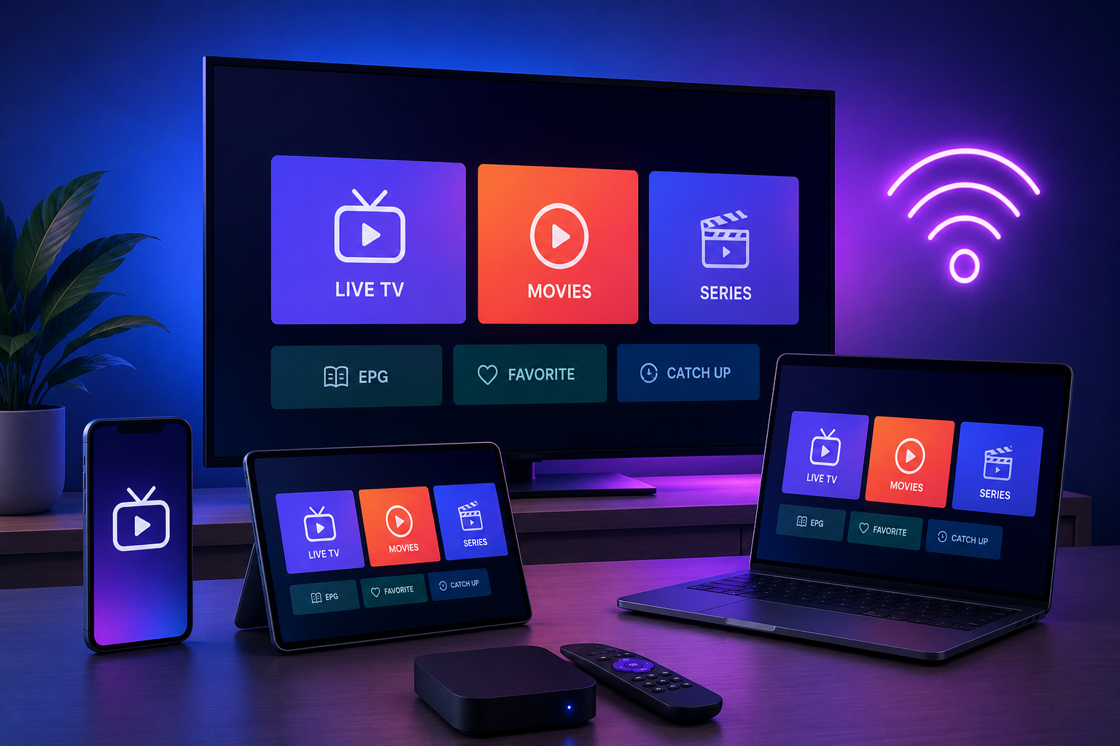
Invest in a quality player app. The default IPTV app that comes with your subscription is often basic. Upgrade to TiviMate (Firestick/Android) or IPTV Smarters Pro for features like favorite channels, multi-screen viewing, and recording. These apps cost a few dollars but transform your experience.
Optimize your home network. Use a wired Ethernet connection instead of Wi-Fi if possible. If you must use Wi-Fi, position your router in the same room as your TV and avoid interference from microwaves or cordless phones. A dedicated streaming device like the Firestick 4K Max handles IPTV much better than a built-in TV app.
Learn how to set up iptv on smart tv properly. Most Smart TVs require you to download an app from their store (like Smart IPTV or SS IPTV) and enter a portal URL or upload an M3U playlist. Follow your provider's setup guide step by step. Screenshot each step so you can retrace it if something goes wrong.
Test during different times of day. Your provider might work perfectly at 2 PM but buffer heavily at 8 PM when everyone is streaming. Test your trial during primetime in your region. A good service will maintain quality across all hours.
Frequently Asked Questions
What is the difference between IPTV and cable TV?
IPTV delivers TV channels over your internet connection using streaming protocols, while cable TV uses a dedicated coaxial cable network with RF signals. The main difference is flexibility: iptv vs cable tv comparison shows IPTV offers on-demand content, multi-device streaming, and often thousands more channels for a lower price. However, cable TV provides more reliable quality during peak hours because the bandwidth is dedicated to your home, whereas IPTV quality depends on your internet speed and the provider's server capacity.
How does IPTV work on a Firestick?
IPTV works on a Firestick through dedicated apps like TiviMate, IPTV Smarters Pro, or the provider's own application. After installing the app, you enter the M3U URL or portal URL provided by your subscription. The app then loads the channel list and program guide. For the best iptv service for firestick, look for services that provide a one-click APK installer or a quick-start guide. Most services also support voice search and favorite channels on Firestick.
Is it legal to use IPTV services in the USA?
Using IPTV itself is legal, but the legality depends on the source of the content. Legal iptv providers like YouTube TV and Hulu Live have proper licensing agreements with content owners. Grey-market IPTV services that stream channels without authorization exist in a legal gray area. As a consumer, you are unlikely to face legal action for simply watching, but the provider takes the legal risk. Check your local laws — in some European countries, accessing unlicensed streams can result in fines or warnings from your ISP.
Where can I buy a reliable IPTV subscription?
For where to buy iptv subscription, start with Reddit communities like r/IPTVReviews or r/IPTV, where users share honest feedback. Look for providers that have been active for more than one year with consistent positive reviews. Avoid buying directly from random ads on Facebook or Instagram. Reputable sellers on Trustpilot or IPTV forums often have verified customer testimonials. Always pay with a payment method that offers buyer protection, such as PayPal or a credit card, and never use direct bank transfers.
What channels are typically included in a US IPTV package?
A standard iptv channels list usa usually includes all major network channels (ABC, CBS, NBC, FOX, PBS), cable essentials (CNN, ESPN, TNT, TBS, Discovery, History, National Geographic), and premium movie channels (HBO, Showtime, Starz, Cinemax). Many services also add sports packages with NFL, NBA, MLB, NHL, and international sports channels like Sky Sports, BeIN Sports, and DAZN. Higher-tier packages can reach 15,000+ channels covering 60+ countries.
Do I need a VPN for IPTV?
While not strictly required, a VPN is highly recommended for IPTV. Internet service providers often throttle or deprioritize IPTV traffic, especially during peak evening hours. A VPN encrypts your connection, preventing your ISP from seeing that you are streaming IPTV and thus avoiding throttling. Additionally, a VPN protects your privacy if you use grey-market services. Choose a VPN with fast speeds and servers in your own country to minimize latency impact.
How do I set up IPTV on my Samsung or LG Smart TV?
To how to set up iptv on smart tv: Go to your TV's app store and search for "IPTV Smarters Pro," "Smart IPTV," or "SS IPTV." Download and install the app. Open the app and enter the login details provided by your subscription — usually a username, password, and server URL, or an M3U playlist link. Some apps require you to upload the M3U file via a web browser on your computer. If your Smart TV does not support the app, consider buying an external streaming device like a Firestick or Roku.
What internet speed do I need for IPTV in 4K?
For reliable 4K IPTV streaming, you need a minimum of 25 Mbps download speed, but 50 Mbps is recommended for buffer-free viewing. Standard HD channels require 10–15 Mbps, while SD channels work on 5 Mbps. How does iptv work with slower connections? Many services now use adaptive bitrate technology that automatically reduces quality during congestion, so even 15 Mbps can work for HD. For consistent 4K across multiple devices simultaneously, aim for 100 Mbps or higher fiber optic connection.
Final Subscription Window:
Get Access Now Today →Affiliate Disclosure: Clicking this secure link verified by our network supports our team through standard partnership terms at zero extra cost to your invoice.